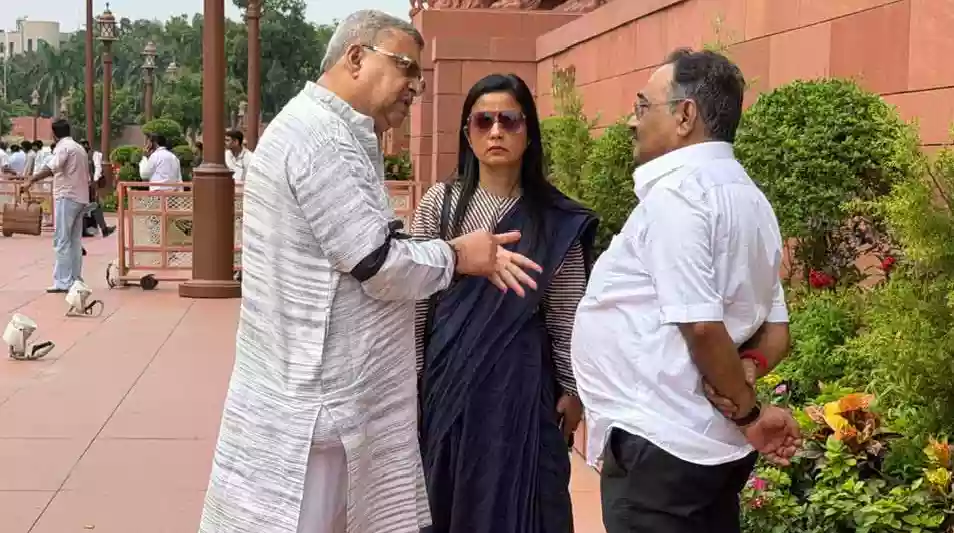
Kalyan spotted speaking with Samik at Parliament; Mahua joins in too
.gif)

Download Mobile App 






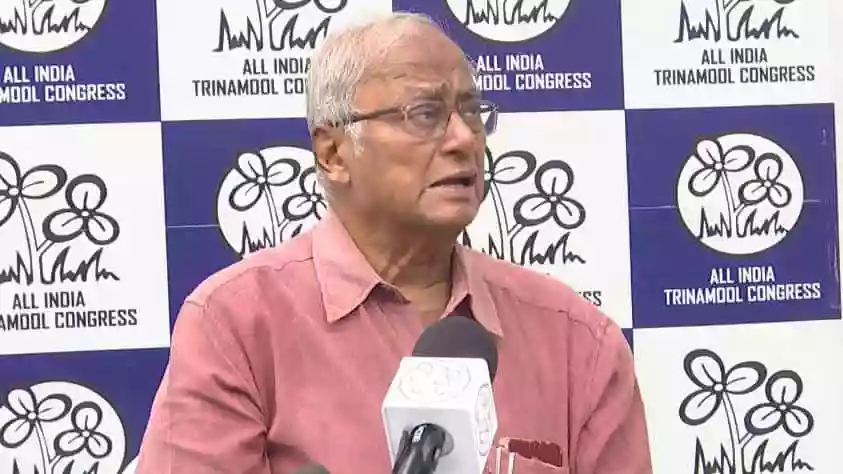
Senior Trinamool Congress leader and parliamentarian Saugata Roy spearheaded a fiery press conference on behalf of the pro-Mamata Banerjee loyalist faction, fiercely condemning the Election Commission of India (ECI) for granting an audience to a parallel rebel group. Roy challenged the legal validity of the poll panel's decision to meet with the breakaway delegation, which is currently led by an expelled party member. He argued that according to established statutory guidelines, the commission is strictly mandated to entertain and schedule formal hearings only with the officially recognized and authorized organizational representatives of a registered political entity.
Questioning the broader systemic precedent being set by the ECI, the veteran lawmaker asked whether the apex election body would now compromise institutional integrity by meeting with any arbitrary group that submits an application. Roy launched a severe political assault against Union Home Minister Amit Shah, accusing the central leadership of deploying state machinery and central investigative agencies to systematically destabilize, fracture, and dismantle opposition parties across India. He went a step further to allege that financial resources accumulated for the construction of the Ram Temple were being aggressively misappropriated to fund these political defections and horse-trading operations.
The press briefing also addressed escalating tensions, specifically pointing to recent political disruptions where Lok Sabha MP Mahua Moitra faced targeted administrative blockades. Roy revealed that despite his formal requests to secure an urgent meeting with the Lok Sabha Speaker to demand a neutral inquiry into the matter, parliamentary authorities failed to allocate a time slot. He stated that he has officially written to the Speaker's representative to formally protest the high-handed restrictions, questioning whether democratically elected representatives are legally barred from entering and evaluating public grievances within their own designated legislative constituencies.



.webp)


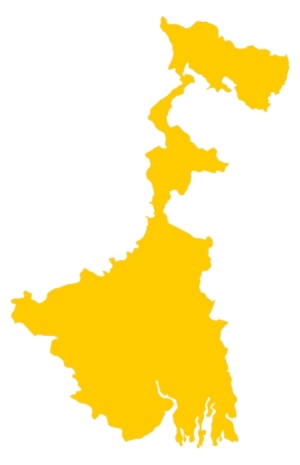 West Bengal
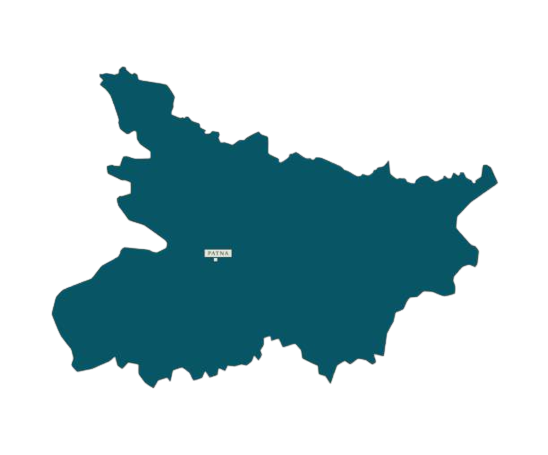 Bihar
Bihar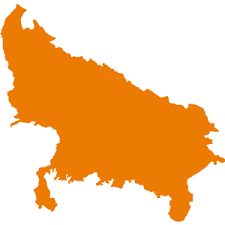 Uttar Pradesh
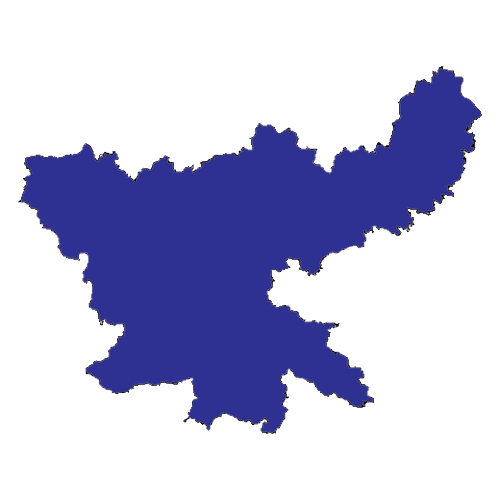 Jharkhand